How to apply the colors of the year in physical advertising: from screen to print and signs
Every new year brings excitement in creative agencies with the release of new color palettes by design institutes and paint manufacturers. However, while digital platforms can adopt these trends by changing a HEX code in a stylesheet, physical advertising production requires a completely different level of technical precision and material experience to bring these colors to lif
Every new year brings excitement in creative agencies with the release of new color palettes by design institutes and paint manufacturers. However, while digital platforms can adopt these trends by changing a HEX code in a stylesheet, physical advertising production requires a completely different level of technical precision and material experience to bring these colors to life.
The difference between emitted light and reflected light
The most common mistake in retail branding and design is expecting a color selected from an uncalibrated screen to look identical on an outdoor illuminated sign. Screens use the RGB spectrum (light emitted directly to the eye), while printed or painted materials use the CMYK spectrum or pre-mixed pigments (reflected light). This physical transition imposes strict limits, especially with pastel or highly saturated shades that are often chosen as colors of the year.
Specific technical challenges based on the print substrate
- Monomeric and polymeric vinyl: matte finishes absorb light and can make vibrant colors look flat, while glossy finishes reflect the surroundings, altering the perceived shade.
- Backlit fabric lightboxes: these require a double strike ink density during printing so the colors remain saturated and accurate when the internal LED backlighting is turned on.
- Frontlit banners: due to their uneven texture and polyester fibers, light or pastel shades can look slightly greyish or spotty without a properly calibrated color profile.
Pre-colored materials versus digital printing
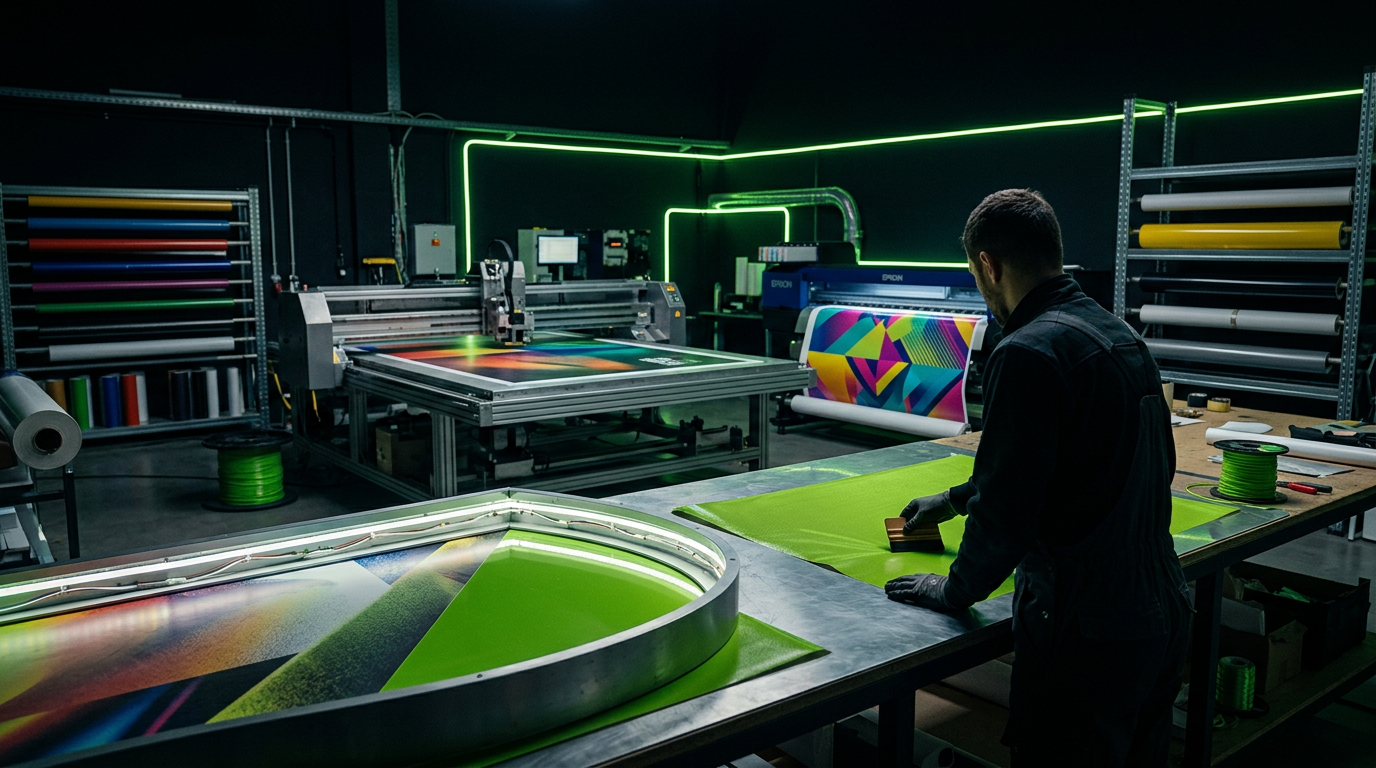
When implementing trend colors in retail branding or vehicle wraps, digital printing on white vinyl isn't always the most durable or visually appealing solution. For premium projects, we recommend using mass-colored self-adhesive films from trusted manufacturers like Avery Dennison or Oracal. These materials offer perfect color uniformity and much higher resistance to scratches and UV fading compared to any printed ink.
In actual advertising production, there is no room for compromise when matching brand colors. An approximated shade on a storefront can damage the trust a brand has built over a decade.
How LED technology shifts trend color perception
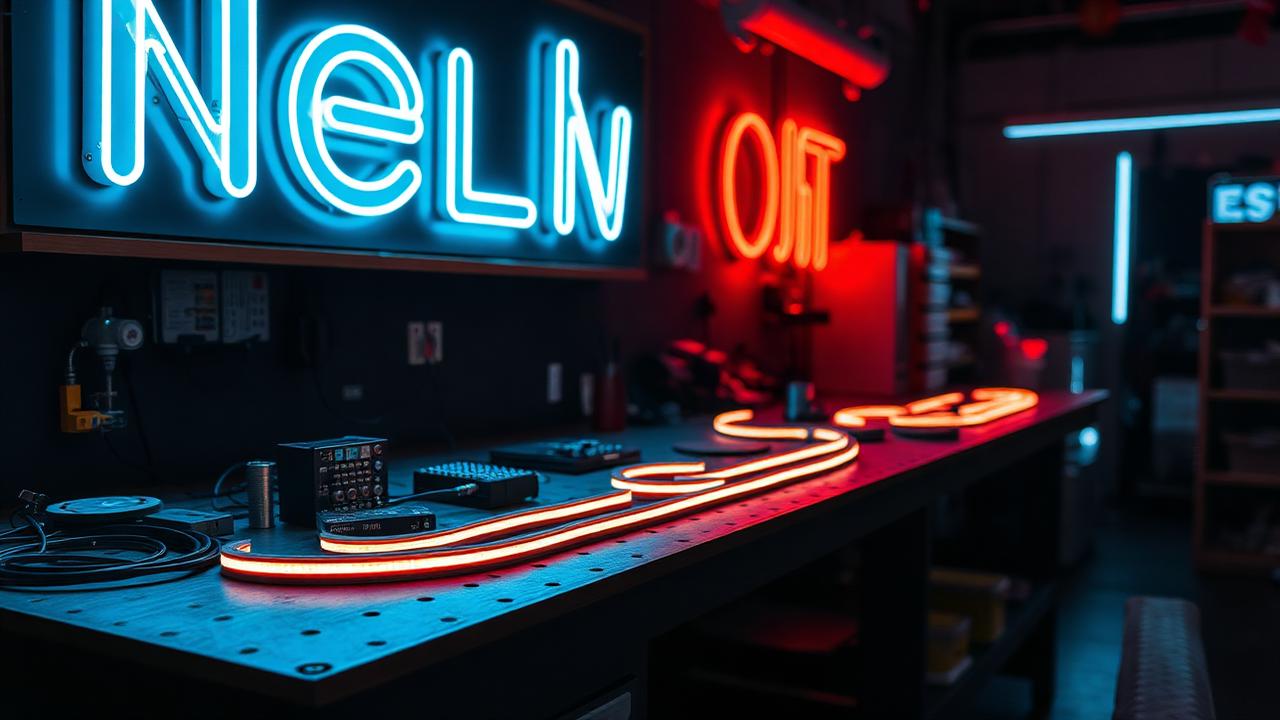
Modern lightboxes and channel letters use LED modules almost exclusively. The color temperature of these LEDs, measured in Kelvin, plays a critical role in how the acrylic face of the sign is perceived. If you use a warm trend color on an acrylic face and illuminate it with 6500K LEDs (cool, bluish light), the color will look dull, greenish, or lose its natural warmth. For warm hues, using 3000K or 4000K LEDs is mandatory.
Major mistakes to avoid when applying new color trends
- Skipping protective lamination: Intense or pastel colors exposed to direct sunlight without a UV-protective laminate will fade and lose their vibrancy in less than twelve months.
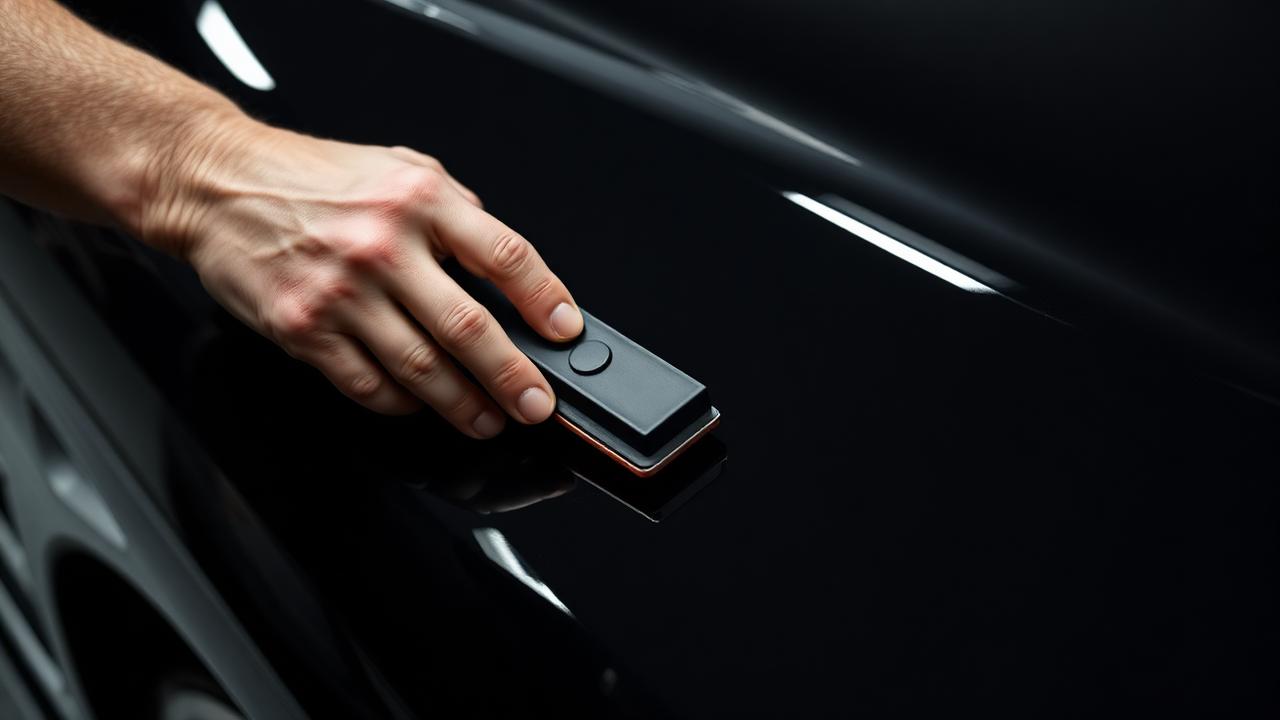
- Applying vinyl without considering the backing color: Standard vinyls have a slight transparency. Applying a trend-colored vinyl over a dark car or a pre-colored wall will result in a completely different, darker shade.
- Using mismatched materials: Mixing acrylic from one manufacturer with translucent vinyl from another on the same sign can create visible shade differences between components.
To match Pantone codes precisely, we use custom color profiles created with spectrophotometers and professional RIP software. We also occasionally use printer configurations with expanded color gamuts including orange, green, or violet inks to reproduce colors that fall outside standard CMYK limits.
Need a custom solution?
Talk to the LOOP DESIGN ADV specialists and get an offer tailored to your project.
Request a quote